How Dedicated Outdoor Air Systems Help Combat Ozone Pollution
Understanding Ozone Pollution and Its Impact on Air Quality
What is Ozone Pollution?
Ozone pollution occurs when ground-level ozone forms through a chemical reaction between sunlight, oxygen, and pollutants like volatile organic compounds (VOCs) and nitrogen oxides (NOx). Unlike the protective ozone layer high in the atmosphere, ground-level ozone poses significant health risks and environmental challenges. This type of pollution often peaks during the summer months when sunlight is abundant, exacerbating air quality issues. Urban areas, with their higher concentrations of vehicles and industrial activity, face acute challenges due to ozone levels that exceed safety thresholds set by environmental agencies.
Effects of Ozone on Human Health and Environment
Ozone pollution significantly impacts human health, leading to respiratory issues, aggravated asthma, and decreased lung function. Vulnerable populations, such as children and the elderly, face the greatest risk. Beyond health effects, ozone also damages crops, forests, and other vegetation. This damage can disrupt ecosystems and lead to economic losses for farmers and industries reliant on healthy crops. The environmental toll extends to wildlife, as ozone exposure can alter habitats and reduce biodiversity. Addressing ozone pollution effectively requires innovative solutions that enhance air quality and public health.
The Role of Outdoor Air Systems in Mitigating Pollution
Outdoor air systems, especially dedicated outdoor air systems (DOAS), play a pivotal role in combating ozone pollution. These systems work by providing controlled ventilation, ensuring that indoor environments maintain optimal air quality while minimizing the ingress of outdoor pollutants. By incorporating filtration and conditioning processes, DOAS can significantly reduce the concentration of harmful ozone and other contaminants indoors. They effectively balance fresh air intake with energy efficiency, making them an essential component in buildings aiming to improve air quality while adhering to environmental standards.
The Functionality of Dedicated Outdoor Air Systems (DOAS)
How DOAS Operate: Key Components and Features
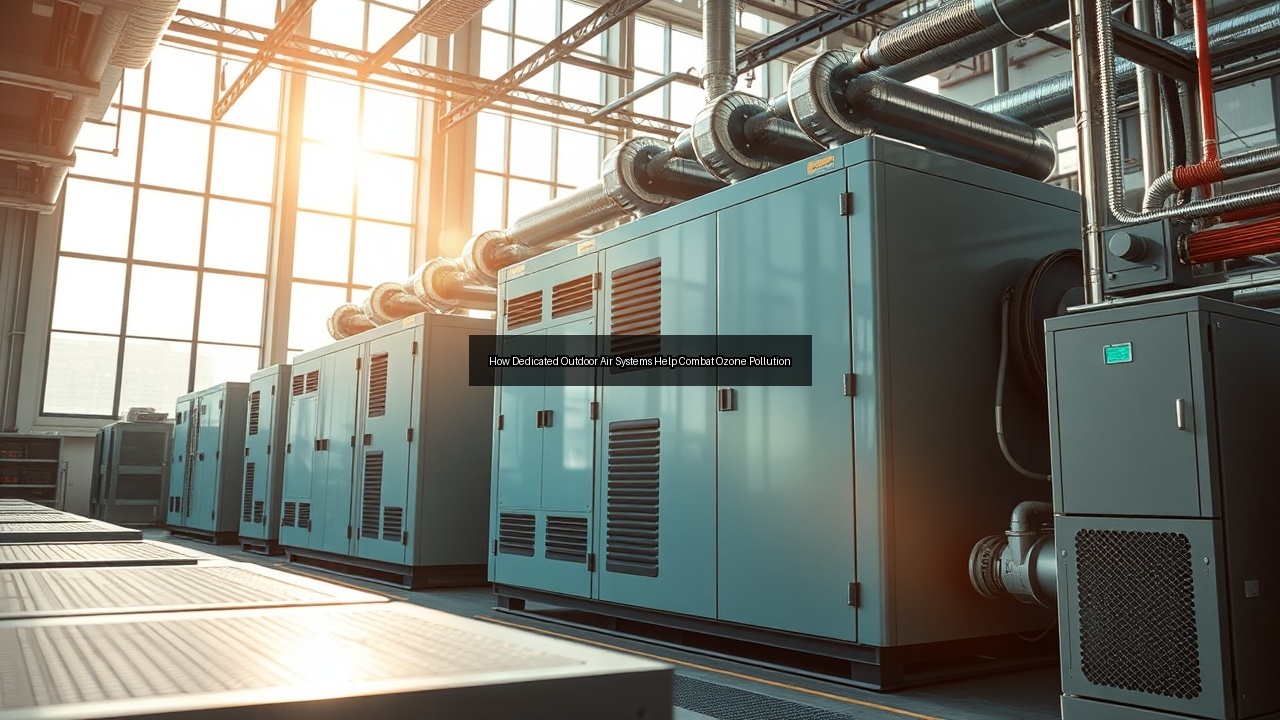
Dedicated outdoor air systems (DOAS) consist of several key components designed to optimize indoor air quality. These systems typically include an outdoor air intake, filtration units, heating and cooling coils, and exhaust systems. The outdoor air intake draws in fresh air, which passes through filters that remove particulates and pollutants, including ozone. Next, the air is conditioned to achieve the desired temperature and humidity before being distributed throughout the building. This process allows DOAS to deliver a consistent supply of clean air while minimizing the energy costs associated with traditional heating, ventilation, and air conditioning (HVAC) systems.
Benefits of Using Dedicated Outdoor Air Systems
Implementing dedicated outdoor air systems offers numerous benefits, particularly in enhancing indoor air quality. One primary advantage is the effective reduction of indoor pollutants, including carbon dioxide, volatile organic compounds, and ozone itself. DOAS also promote energy efficiency by allowing buildings to use less energy for heating and cooling, leading to cost savings and reduced environmental impact. By maintaining optimal humidity levels, these systems reduce the risk of mold growth, further improving indoor environments. Additionally, DOAS can contribute to improved occupant comfort and productivity, creating healthier workplaces and living spaces.
Comparing DOAS with Traditional Air Conditioning Systems
Traditional air conditioning systems often recirculate indoor air, which can lead to a buildup of pollutants. In contrast, dedicated outdoor air systems continuously introduce fresh outdoor air, significantly improving indoor air quality. Unlike standard HVAC systems, which may struggle to meet fresh air requirements during peak usage, DOAS effectively balance ventilation and energy efficiency. This distinction is critical, especially in environments prone to high levels of ozone and other pollutants. Moreover, DOAS often require less energy for operation by optimizing the heating and cooling processes, making them a more sustainable option for air quality management.
Applications and Industries Benefiting from Dedicated Outdoor Air Systems
Commercial and Industrial Applications
Various commercial and industrial sectors benefit from dedicated outdoor air systems. In office buildings, DOAS enhance employee well-being and productivity by ensuring a constant supply of fresh air. Retail environments also see the advantages of improved air quality, which can enhance customer experiences. Industrial facilities, particularly those involved in manufacturing and processing, rely on DOAS to maintain air quality standards while managing heat and humidity effectively. By integrating these systems, businesses can comply with health regulations and improve their overall operational efficiency, contributing to long-term sustainability.
Oil and Gas Industry Needs for Air Quality
The oil and gas industry faces unique challenges regarding air quality due to emissions from drilling and refining processes. Dedicated outdoor air systems play a crucial role in mitigating these challenges by ensuring that facilities maintain optimal air quality standards. DOAS can filter out harmful pollutants and provide a steady flow of fresh air, which is vital in environments where the risk of exposure to volatile organic compounds and other hazardous materials is high. Implementing these systems not only protects worker health but also helps companies comply with stringent environmental regulations, enhancing their public image.
Data Centers and Server Reliability Through DOAS
Data centers require precise environmental conditions for optimal server performance and reliability. Dedicated outdoor air systems provide a solution by regulating temperature and humidity levels while ensuring that servers receive clean, filtered air. High-density computing environments generate significant heat, necessitating efficient cooling solutions to prevent equipment failure. DOAS manage this heat load effectively while minimizing energy consumption. By integrating these systems, data centers can achieve higher operational efficiency and ensure the longevity of their equipment, ultimately benefiting their bottom line and enhancing service reliability.
Engineering Considerations and Cost Implications
Calibrating DOAS for Optimal Performance
Calibrating dedicated outdoor air systems is essential for achieving optimal performance. Proper calibration ensures that the system delivers the right amount of fresh air while maintaining energy efficiency. Engineers must consider factors such as occupancy levels, building size, and specific environmental conditions when designing and calibrating DOAS. Regular maintenance and monitoring also play a crucial role in ensuring these systems operate at peak efficiency, allowing for adjustments based on usage patterns or changes in outdoor air quality. Effective calibration not only enhances indoor air quality but also contributes to energy savings over time.
Three-Phase Power Systems in DOAS
Many dedicated outdoor air systems operate on three-phase power systems, which provide a more reliable and efficient means of powering the fans and compressors integral to their operation. Three-phase systems distribute electrical power more evenly, reducing the risk of outages and ensuring consistent airflow. This reliability is particularly critical in environments like data centers, where uptime is non-negotiable. By utilizing three-phase power, DOAS can achieve better performance and longevity, ultimately resulting in lower operational costs and improved reliability in air quality management.
Long-term Cost Benefits of Implementing Dedicated Outdoor Air Systems
Investing in dedicated outdoor air systems yields significant long-term cost benefits. Although initial installation costs may be higher than traditional HVAC systems, the energy savings and improved efficiency quickly offset these expenses. By reducing energy consumption and minimizing maintenance costs associated with indoor air quality issues, DOAS can lead to substantial savings over time. Furthermore, enhanced air quality can result in increased employee productivity and reduced health-related costs, making the financial case for DOAS compelling across various industries. Organizations that prioritize air quality management through dedicated outdoor air systems position themselves for sustainable success in the long run.
See Also
- Understanding the Importance of Reliability in Dedicated Outdoor Air Systems
- Dedicated Outdoor Air Systems vs Traditional HVAC Solutions Which is Right for You
- Three Phase Power Solutions for High-Performance Dedicated Outdoor Air Systems
- The Cost-Benefit Analysis of Implementing a Dedicated Outdoor Air System
- How Dedicated Outdoor Air Systems Improve HVAC Efficiency in Commercial Buildings