How to Select the Best Electric Motor for Dangerous Locations
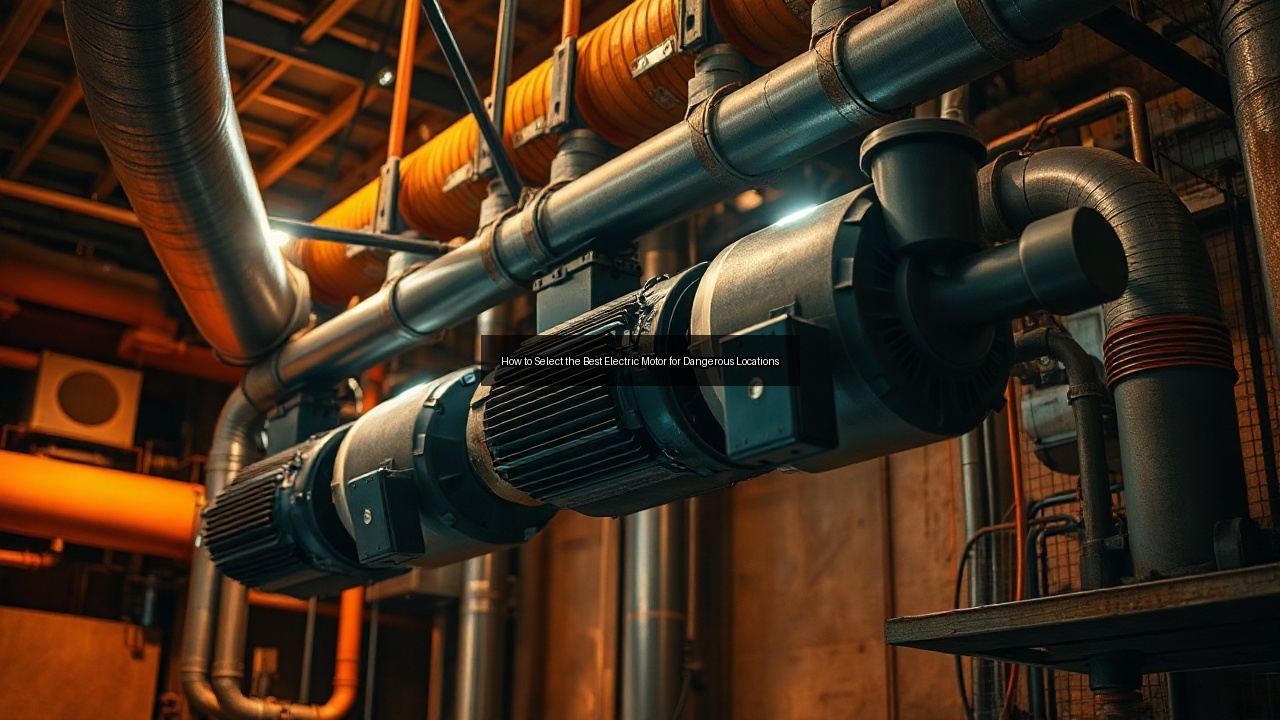
Understanding Hazardous Locations and Their Requirements
Definition of Hazardous Locations
Hazardous locations refer to areas where the presence of flammable gases, vapors, liquids, or combustible dusts creates a risk of fire or explosion. These locations hazardous location electric motors require specialized equipment designed to minimize ignition sources and ensure safety. The classification of hazardous locations is critical for choosing the right equipment, including electric motors. If a facility operates in environments where it processes chemicals or flammable materials, selecting hazardous location motors becomes paramount. Such motors must adhere to specific safety standards that help prevent accidents and protect workers.
Types of Hazards: Gases, Vapors, and Dusts
Understanding the types of hazards present in a location is essential for selecting the right electric motor. Gases and vapors can create explosive atmospheres when mixed with air. Common examples include gasoline vapors, acetylene, and hydrogen. Dusts pose a different challenge; fine particles from materials like grain, wood, or certain metals can ignite when suspended in the air. The behavior of each hazard type influences hazardous location electric motors motor selection. For instance, electric motors in environments with gas hazards may require specific enclosures that prevent ignition. In contrast, motors exposed to dust must have seals to prevent particle infiltration.
Industry Standards and Certifications (NEMA, EASA)
Industry standards and certifications play a crucial role in ensuring the safety of electric motors used in hazardous locations. The National Electrical Manufacturers Association (NEMA) and the Electrical Apparatus Service Association (EASA) provide guidelines for motor design and performance in hazardous environments. NEMA ratings specify the type of protection an electric motor offers against various environmental hazards. Choosing motors that meet these standards ensures compliance with safety regulations while minimizing the risk of ignition. EASA certification also emphasizes the importance of quality and reliability in motor repairs and maintenance, making it essential to consider these certifications when selecting hazardous location motors.
Selecting the Right Electric Motor for Hazardous Locations
Motor Types: BLDC vs. Single Phase Motors
When selecting an electric motor for hazardous locations, understanding the differences between motor types is essential. Brushless Direct Current (BLDC) motors are increasingly popular due to their efficiency and reliability. They offer smoother operation and longer lifespans than traditional single-phase motors, making them ideal for demanding applications. Single-phase motors, while more common and less expensive, may not provide the same level of performance in high-risk environments. The choice between these motor types often depends on factors such as the specific application, required torque, and operational frequency. Ensuring the selected motor type aligns with the operational needs of the plant enhances overall safety and performance.
Key Factors: Dimension, Frequency, and Force
Several critical factors influence the selection of electric motors for hazardous locations. Dimension is vital; the motor must fit within the designated space while allowing for safe operation and maintenance. Frequency, which refers to the rate of electrical cycles, affects motor speed and performance. Selecting the appropriate frequency ensures that the motor operates efficiently within the specified parameters of the application. Additionally, the required force, or torque, is crucial for the motor's intended use. Motors must provide sufficient power to handle the load without risking overheating or failure. Evaluating these factors carefully leads to the selection of a motor that meets both safety and operational requirements.
Evaluating Warranty and Repair Options
A comprehensive evaluation of warranty and repair options is crucial when selecting electric motors for hazardous locations. A robust warranty not only provides peace of mind but also indicates the manufacturer's confidence in their product's reliability. Different manufacturers offer varying warranty periods and conditions, so it's essential to read the fine print. Moreover, consider the repair options available. A reliable distributor or supplier should offer timely repair services and access to genuine replacement parts. This aspect can significantly impact the motor's longevity and performance in hazardous environments. Ensuring that repair options are readily available helps maintain operational efficiency and reduces downtime.
Applications and Case Studies in Hazardous Environments
Electric Motors in Pulp and Paper Industries
The pulp and paper industry presents unique challenges when it comes to electric motor usage. This sector often deals with flammable dust and chemicals, necessitating the use of hazardous location motors. Motors used in this industry must withstand abrasive conditions while maintaining reliable performance. Case studies have shown that using properly rated motors not only enhances safety but also improves overall operational efficiency. For instance, implementing BLDC motors in pulp processing plants has led to reduced energy consumption and lower maintenance costs, proving their effectiveness in such hazardous environments.
Use of Motors in Cooling Towers and Gas Compressors
Cooling towers and gas compressors are critical components in various industrial processes, particularly in sectors like oil and gas. The operation of these systems often occurs in environments classified as hazardous due to the presence of flammable gases and vapors. Electric motors in these applications must meet stringent safety standards to mitigate the risk of ignition. Selecting motors with appropriate enclosures and certifications ensures safe operation. By analyzing case studies, industries have seen marked improvements in reliability and safety when utilizing motors designed for these conditions. The integration of advanced motor technologies further enhances operational efficiency in cooling towers and gas compressors.
Data Centers: Ensuring Safety and Efficiency
Data centers, while typically not the first environment associated with hazardous locations, can present risks due to the potential for electrical fires and overheating. The equipment operates continuously, requiring reliable cooling systems that often involve hazardous location motors. Ensuring that these motors comply with safety standards minimizes risks associated with electrical failures. Case studies from leading data centers demonstrate that investing in high-quality motors significantly improves operational efficiency and safety. By utilizing motors that meet NEMA and EASA standards, data centers can maintain optimal performance while safeguarding their infrastructure and data integrity.
Best Practices for Maintenance and Safety in Hazardous Locations
Regular Inspections and Performance Data
Implementing a rigorous maintenance schedule is vital for ensuring the safety and reliability of electric motors in hazardous locations. Regular inspections help identify potential issues before they escalate into serious problems. Monitoring performance data allows operators to assess the efficiency and condition of the motors over time. Utilizing technology such as vibration analysis and thermal imaging can provide valuable insights into motor health. By maintaining detailed records, facilities can track performance trends and address any anomalies promptly. These best practices not only enhance safety but also extend the lifespan of hazardous location motors.
Safety Protocols for Motor Operation
Establishing robust safety protocols is essential for operating electric motors in hazardous environments. Operators must receive comprehensive training on recognizing risks associated with specific applications. Implementing lockout/tagout procedures ensures that motors are safely de-energized during maintenance. Additionally, using personal protective equipment (PPE) can safeguard workers from potential hazards. Routine safety drills and emergency response plans further reinforce a culture of safety. By electric motor for dangerous locations prioritizing safety protocols, organizations can mitigate risks and enhance the overall safety of their operations involving hazardous location motors.
Choosing a Reliable Distributor and Supplier
Selecting a reliable distributor or supplier for hazardous location motors is crucial for ensuring safety and performance. A reputable partner should provide motors that meet industry standards and offer comprehensive support, including warranty and repair services. Research potential distributors by reviewing their track record and customer feedback. Collaborating with suppliers who understand the unique challenges of hazardous environments can lead to better product recommendations and solutions. Establishing a strong relationship with a trusted distributor ensures access to quality products and timely support, ultimately enhancing the safety and efficiency of operations in hazardous locations.