The Intersection of Wire Forming and Extrusion in Modern Engineering
Understanding Wire Forming Techniques
Overview of Wire Forming Processes
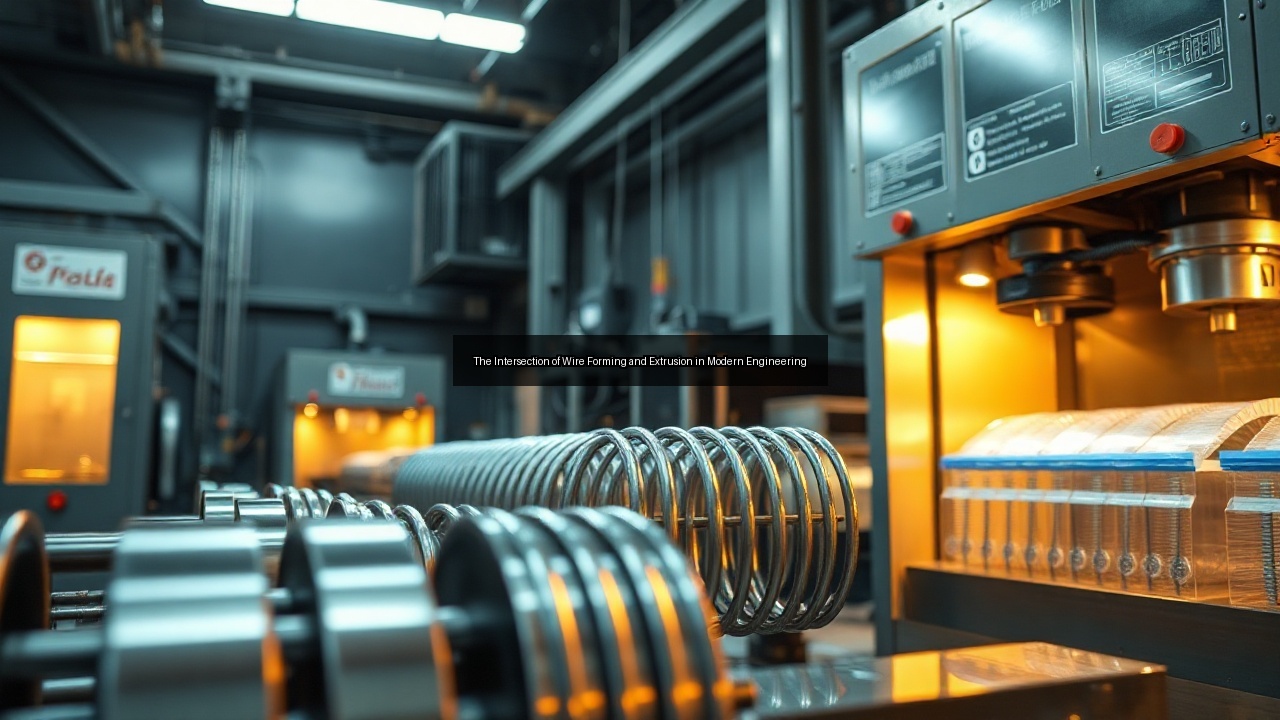
Wire forming encompasses various techniques that manipulate wire into distinct shapes and configurations. This process begins with raw materials, typically stainless steel or other alloys, which undergo drawing to achieve desired diameters. The wire is then shaped using machines that employ methods such as bending, coiling, and threading. Each technique plays a crucial role in creating specific wire forms, which serve diverse applications across industries. Understanding these processes helps engineers select the right method for their projects, ensuring precision and functionality in the final products. The evolution of wire forming technology has introduced advanced systems capable of producing intricate designs with tight tolerances, enhancing the overall efficiency and effectiveness of wire forming services.
Common Wire Forms and Shapes
Wire forming produces a wide range of wire shapes, including but not limited to hooks, brackets, and custom coil springs. These shapes cater to various applications, from automotive components to electronic devices. Each form serves a specific function and must adhere to strict engineering standards for reliability and safety. The flexibility in wire shaping allows engineers to innovate and create customized solutions that meet unique requirements. Brands specializing in wire forming often offer extensive catalogs of standard shapes while also providing the capability to produce custom-designed wire forms. This adaptability positions wire forming as a vital technique formed wire in modern engineering, where bespoke solutions frequently arise.
The Role of Diameter in Wire Forming
Diameter significantly impacts the performance and application of wire formed products. Engineers must consider the diameter when designing components to ensure structural integrity and functionality. Thicker wires might provide strength and durability, while thinner wires can offer flexibility and ease of manipulation. The choice of diameter also influences the wire forming process itself, as different machines and techniques are suited for specific wire sizes. This critical factor necessitates precise calculations and adjustments during the wire forming process to achieve the desired tolerances and performance specifications. Understanding the implications of wire diameter enables engineers to make informed decisions, ultimately leading to successful project outcomes.
The Role of Extrusion in Engineering
How Extrusion Complements Wire Forming
Extrusion and wire forming often work hand in hand in modern engineering applications. While wire forming shapes the wire, extrusion involves pushing material through a die to create uniform cross-sectional shapes. This synergy allows manufacturers to produce complex components efficiently. For instance, extruded profiles can serve as the foundation for wire formed products, enhancing structural integrity and design versatility. By integrating extrusion with wire forming, engineers can streamline production processes, reduce material waste, and achieve greater precision in their designs. This collaborative relationship between the two techniques fosters innovation and enables the development of advanced components across various sectors.
Materials Used in Extrusion and Wire Forming
Both extrusion and wire forming utilize a variety of materials, with steel and stainless steel being the most commonly employed. These materials offer excellent strength, corrosion resistance, and durability, making them ideal for engineering applications. In addition to metals, manufacturers increasingly explore polymers and composite materials for specific applications, particularly in industries such as aerospace and automotive. Each material presents unique characteristics that influence the wire forming and extrusion processes, necessitating careful selection based on project requirements. Understanding the properties of different materials enhances the ability to create effective wire formed and extruded components that meet performance expectations.
Applications in Aerospace and Beyond
The aerospace industry showcases the importance of wire forming and extrusion, requiring components that meet rigorous standards for safety and performance. Wire formed parts, such as brackets and supports, play crucial roles in aircraft structures, while extruded profiles are essential for creating lightweight and efficient designs. Beyond aerospace, these techniques find applications in automotive manufacturing, electronics, and medical devices. The versatility of wire forming enables engineers to produce specialized components tailored to specific needs, while extrusion provides the ability to create complex shapes that enhance functionality. This broad applicability underscores the significance of wire forming and extrusion in the modern engineering landscape.
Advancements in Wire Forming Technology
The Impact of Computer Numerical Control (CNC)
Computer Numerical Control (CNC) technology has revolutionized wire forming by introducing automation and precision into the manufacturing process. CNC machines enable manufacturers to program complex shapes and designs, significantly reducing the time required for prototyping and production. This advancement allows for tighter tolerances and improved consistency in wire formed components. Engineers can quickly iterate designs, making adjustments based on performance feedback, which streamlines the development process. The integration of CNC in wire shaping machines enhances productivity and opens new possibilities for intricate wire forms that were previously challenging to produce. This technology positions companies at the forefront of innovation in wire forming capabilities.
Prototyping and Tolerances in Wire Forming
Prototyping plays a vital role in wire forming, allowing engineers to test and validate designs before full-scale production. Creating prototypes ensures that the wire forms meet specific tolerances and functional requirements. Engineers use various techniques, including rapid prototyping and 3D printing, to develop initial models that facilitate testing and refinement. This iterative process helps identify potential issues early, reducing the risk of costly errors during mass production. Establishing precise tolerances is crucial in wire forming, as even slight deviations can impact component performance. By prioritizing prototyping and adhering to stringent tolerances, manufacturers can deliver reliable and high-quality wire formed products.
Innovations in Wire Shaping Machines
Recent innovations in wire shaping machines have significantly enhanced the efficiency and capabilities of wire forming processes. New machines incorporate advanced features like multi-axis movement and real-time monitoring systems, allowing for greater complexity in wire shapes and improved production speeds. Manufacturers are investing in high-performance machines that can handle diverse materials and deliver consistent results across various applications. These advancements not only increase output but also reduce scrap and improve material utilization. As technology continues to evolve, the future of wire forming looks promising, with machines becoming more versatile and capable of producing increasingly intricate wire forms.
The Future of Wire Forming and Extrusion
Emerging Trends in Wire Forming Services
The landscape of wire forming services is evolving, with several emerging trends shaping the future of the industry. Manufacturers increasingly focus on customization, offering tailored solutions that meet specific client needs. Advances in design software enable engineers to create intricate wire forms quickly, facilitating faster project turnaround times. Additionally, the demand for lightweight and durable materials drives innovation, pushing companies to experiment with composites and advanced alloys. The rise of automation and smart manufacturing technologies also influences wire forming services, enhancing efficiency and reducing labor costs. By staying ahead of these trends, companies can position themselves as leaders in the wire forming sector.
Sustainability in Wire Forming Materials
Sustainability has become a key consideration in wire forming and extrusion processes. Manufacturers are exploring eco-friendly materials and practices to reduce their environmental impact. This includes using recycled metals and biodegradable polymers, which align with the growing demand for sustainable engineering solutions. Companies are also optimizing their production processes to minimize waste and energy consumption, adopting practices that contribute to a circular economy. By prioritizing sustainability, the wire forming industry can ensure long-term viability while meeting the increasing expectations of environmentally-conscious consumers and regulatory bodies.
Case Studies of Successful Wire Forming Projects
Examining case studies of successful wire forming projects highlights the versatility and effectiveness of this technique across various industries. For instance, a leading aerospace manufacturer implemented wire forming techniques to create lightweight structural components that improved aircraft fuel efficiency. Another case study in the automotive sector demonstrated how custom wire forms enhanced safety features in vehicle designs. These examples illustrate how engineers leverage wire forming to achieve innovative solutions that meet challenging requirements. By sharing such success stories, the industry can inspire further advancements and encourage collaboration among engineers and manufacturers in the pursuit of excellence in wire forming.