Gear Systems and Electric Motors Optimizing Performance Through Repair
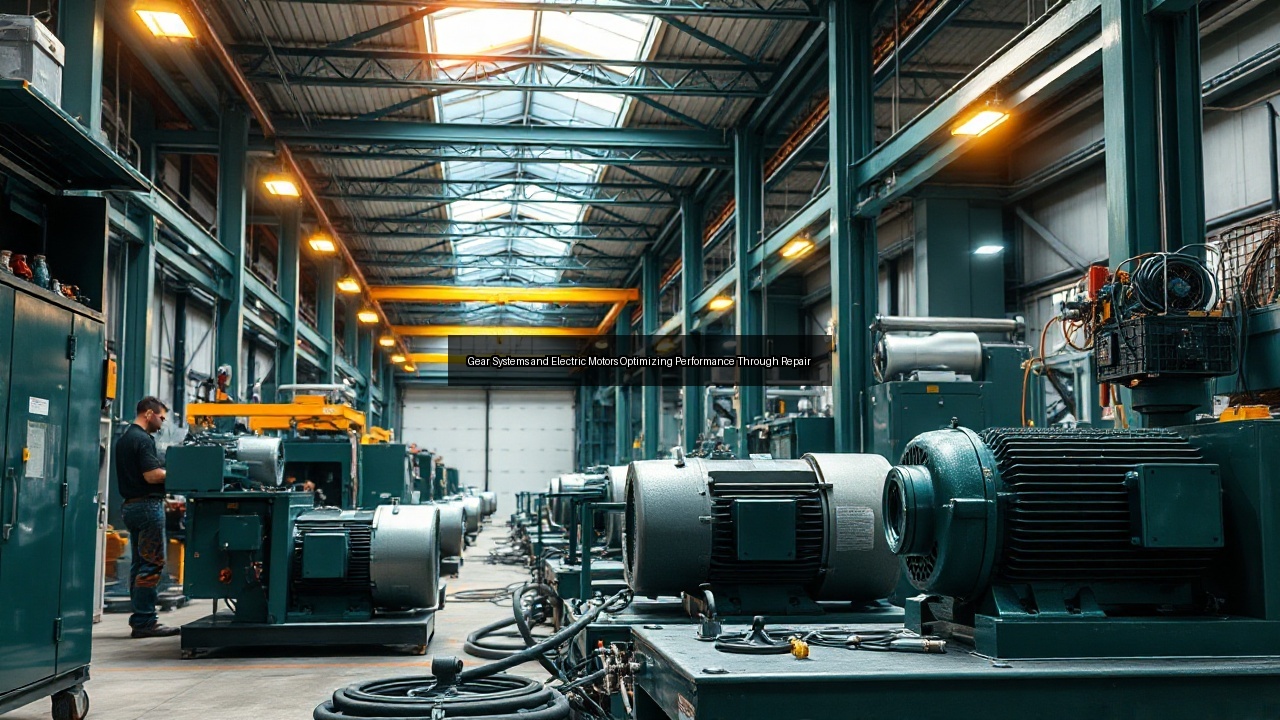
Understanding Electric Motors and Gear Systems
Types of Electric Motors
Electric motors are essential components in electric motor restoration various applications, including manufacturing and automation. They convert electrical energy into mechanical energy, making them vital for driving machinery. The primary types of electric motors include AC motors, DC motors, and stepper motors. AC motors, using alternating current, are common in industrial applications due to their efficiency and reliability. DC motors, powered by direct current, offer excellent speed control, making them ideal for applications requiring variable speed. Stepper motors allow for precise positioning and control, often found in robotics and CNC machines. Understanding these motor types helps in selecting the appropriate electric motor repair services when issues arise.
The Role of Gear Systems in Performance
Gear systems play a critical role in enhancing the performance of electric motors. They modify torque and speed, allowing motors to operate efficiently under various conditions. Gears can increase torque, making them suitable for heavy-duty applications, or reduce speed for precision tasks. The synergy between electric motors and gear systems improves overall performance, ensuring machinery operates smoothly. A well-designed gear system minimizes wear and tear on the motor, extending its lifespan. Regular gear maintenance, often overlooked, is crucial for sustaining this synergy. When electric motors fail, effective gear repair can significantly enhance machine performance and reliability.
Applications in Manufacturing and Automation
Electric motors and gear systems find extensive applications in manufacturing and automation. In manufacturing, they drive machinery such as conveyor belts, pumps, and robotic arms. Gear systems optimize motor output, ensuring precision and efficiency in production lines. Automation relies heavily on electric motors for tasks ranging from material handling to quality control. Industries such as automotive, food and beverage, and pharmaceuticals utilize these systems to enhance productivity. The integration of advanced electric motors with sophisticated gear systems enables seamless automation, reducing labor costs and increasing throughput. Understanding these applications facilitates better maintenance strategies, ensuring optimal performance through timely electric motor repair.
Importance of Preventative Maintenance
Benefits of Regular Maintenance
Regular maintenance of electric motors and gear systems provides several benefits that enhance operational efficiency. Preventative maintenance helps identify potential issues before they lead to significant failures. By scheduling routine inspections, businesses can ensure that motors operate at peak performance, reducing downtime and repair costs. Regular lubrication, alignment checks, and cleaning prevent wear and tear, extending the lifespan of electric motors. Furthermore, implementing a maintenance schedule fosters a culture of care within the workforce, prioritizing equipment reliability and performance. This proactive approach minimizes unplanned outages, supporting continuous production and operational excellence in manufacturing and automation environments.
Common Issues in Electric Motors
Electric motors face various issues that can compromise their performance and reliability. Common problems include overheating, unusual vibrations, and electrical failures. Overheating often results from inadequate ventilation or excessive load, leading to insulation breakdown. Vibrations can indicate misalignment or imbalance in the gear system, requiring immediate attention to prevent further damage. Electrical failures, such as short circuits or open circuits, disrupt motor operation and require detailed troubleshooting. Identifying these issues early through routine inspections is vital. Electric motor repair services specialize in diagnosing these problems, ensuring swift and effective solutions that restore performance and extend motor life.
Vibration Analysis: A Key Diagnostic Tool
Vibration analysis stands out as a crucial diagnostic tool for maintaining electric motors and gear systems. This technique involves measuring and analyzing vibrations to identify abnormalities that may indicate underlying issues. By monitoring vibration patterns, technicians can detect misalignment, imbalance, or bearing wear before they escalate into major failures. Implementing vibration analysis as part of a preventative maintenance strategy enhances reliability and reduces repair costs. Regular assessments allow for timely interventions, ensuring that electric motors operate smoothly and efficiently. Vibration analysis not only aids in troubleshooting but also provides valuable insights into the overall health of machinery in manufacturing and automation settings.
Repair Strategies for Optimal Performance
Electric Motor Troubleshooting Techniques
Effective troubleshooting techniques are essential for diagnosing electric motor issues promptly. Start by conducting a visual inspection to check for obvious signs of damage, such as burnt wiring or loose connections. Utilize multimeters to assess electrical parameters, ensuring that voltage and current levels meet specifications. Identify abnormal sounds or vibrations, which may indicate mechanical issues. Employ thermal imaging cameras to detect overheating components. Each of these techniques offers insights into potential problems, guiding technicians toward appropriate electric motor repair strategies. Documenting findings during troubleshooting helps track recurring issues and informs maintenance schedules, ultimately enhancing motor reliability and performance.
Selecting the Right Repair Services
Choosing the right repair services for electric motors is crucial for ensuring optimal performance. Look for providers with a proven track record in electric motor repair and maintenance. Verify their expertise in handling various motor types and gear systems, as specialized knowledge enhances the repair process. Assess their use of advanced diagnostic tools, such as vibration analysis and thermal imaging, which are essential for accurate problem identification. Additionally, consider their turnaround times and warranty offerings, which reflect the quality of their services. Building a relationship with reliable motor repair services fosters trust and ensures quick access to solutions when issues arise, thus minimizing downtime.
Restoring vs. Replacing Electric Motors
When faced with malfunctioning electric motors, businesses often grapple with the decision to restore or replace. Restoring involves repairing existing motors, often more cost-effective and sustainable, especially for older or specialized models. However, if a motor shows signs of severe damage or inefficiency, replacement may be the better option. Newer models often offer improved efficiency and lower energy costs, aligning with modern sustainability goals. Evaluate the long-term performance and reliability of the motor, considering factors such as repair history and operational demands. Making an informed decision on restoration versus replacement is vital for optimizing performance and reducing long-term operational costs.
Enhancing Reliability Through Effective Maintenance
Implementing a Maintenance Schedule
Establishing a robust maintenance schedule is fundamental for enhancing the reliability of electric motors and gear systems. A well-structured schedule outlines regular inspections, lubrication, and cleaning tasks, ensuring that all components receive timely attention. Prioritize critical machinery that plays a vital role in manufacturing and automation processes. Utilize software tools to track maintenance activities and remind personnel of upcoming tasks. This proactive approach minimizes the risk of unexpected failures, supports optimal performance, and extends the lifespan of electric motors. Consistency in following the maintenance schedule cultivates a culture of reliability, promoting operational excellence across the organization.
Integrating Switchgear for Safety
Integrating switchgear into electric motor systems enhances operational safety and reliability. Switchgear protects motors from electrical faults and overloads, preventing potential damage. Properly sized and maintained switchgear ensures that electric motors operate within safe parameters, minimizing risks associated with electrical failures. Regular inspections of switchgear components, including circuit breakers and fuses, are essential for identifying wear and ensuring proper functionality. Implementing safety protocols around switchgear operations further safeguards personnel and equipment. Prioritizing switchgear maintenance as part of a comprehensive electrical system management strategy supports the overall reliability and safety of electric motors in manufacturing and automation settings.
Future Trends in Electric Motor Repair and Maintenance
The landscape of electric motor repair and maintenance is evolving, driven by technological advancements and industry demands. Predictive maintenance, utilizing IoT (Internet of Things) sensors, is gaining traction. These sensors monitor motor conditions in real-time, providing data that enables proactive interventions before failures occur. Machine learning algorithms analyze historical data to predict potential issues, allowing for targeted maintenance efforts. Furthermore, the rise of electric motors in renewable energy applications, particularly in generators and electric vehicles, necessitates specialized repair services. Staying ahead of these trends ensures that businesses can maintain optimal performance and reliability, adapting to the changing landscape of electric motor repair.
See Also
- Unlocking the Secrets of Electric Motor Repair for Enhanced Manufacturing Efficiency
- The Future of Electric Motor Repair in an Automated World
- Troubleshooting Electric Motors A Step-by-Step Approach
- Building a Culture of Reliability in Electric Motor Maintenance
- How to Diagnose Electric Motor Issues Without Professional Help